In this article
For many people, the hardest part of deciding on weight loss surgery is not the operation itself but the worry about what comes after it: pain, nausea, tubes and a long, uncomfortable recovery. Those concerns are understandable, and a good surgical team takes them seriously.
This article looks at the comfort-focused approach used by bariatric surgeons Dr Tardu and Dr Ali Katar in Istanbul, the procedures they perform, and what you can realistically expect from your recovery. Where we describe their methods and experience, we are repeating what the team itself reports, so that you can discuss it with them directly.
Obesity as a medical condition
Obesity is a long-term health condition, not simply a matter of appearance. It is linked to type 2 diabetes, high blood pressure, sleep apnoea, joint pain and heart disease, and it can affect your energy, mobility and confidence. When diet and exercise have not led to lasting results, bariatric surgery is a well-established treatment that can help you lose a significant amount of weight and improve many of these conditions.
About Dr Tardu and Dr Ali Katar
The team reports more than 15 years of experience in bariatric surgery and over 20,000 weight loss procedures. They perform operations laparoscopically, which means through several small keyhole incisions rather than one large cut.
According to the surgeons, their approach centres on:
- laparoscopic (keyhole) surgery
- a nerve block technique used during the operation to improve comfort afterwards
- no routine use of surgical drains
- walking soon after surgery
- nutritional guidance and aftercare once you return home
They say every patient receives a plan based on their BMI, medical history, any previous operations and their weight loss goals. As with any surgeon, you are welcome to ask about their experience with the specific operation you are considering.
The comfort-focused recovery protocol
A common question before surgery is whether you will be in a lot of pain or feel very sick afterwards. The team says it actively works to reduce both.
Nerve block for pain relief
The surgeons report using a nerve block technique during the operation. Nerve blocks are a recognised form of pain relief in which local anaesthetic is used to numb the nerves around the surgical area. The team says this helps reduce discomfort in the hours and days after surgery, and that many of their patients feel more comfortable than they expected.
Less nausea and vomiting
According to the surgeons, their anaesthetic and pain relief plan is designed to reduce nausea and vomiting after the operation. Every patient responds differently, so some sickness is still possible, but there are effective medicines to manage it.
Walking about two hours after surgery
The team reports that most of their patients start walking roughly two hours after the operation, with staff on hand to help. Early walking is widely recommended after bariatric surgery because it improves circulation, lowers the risk of blood clots, supports your breathing and helps you recover more quickly.
No routine drains
A drain is a thin tube that some surgeons leave in place after an operation to remove fluid. The team says it does not routinely use drains after a sleeve or bypass, which can make it easier to move around in the first few days. Your surgeon will still decide what is right in your particular case.
Your hospital stay and return to daily life
The surgeons report that patients typically stay in hospital for three nights and four days. During this time the team monitors your fluids, pain relief, walking, early diet and general progress, and you receive written nutrition guidelines and instructions before you are discharged.
After discharge, recovery is usually steady. Many people can return to office-based work fairly soon, although a job involving physical effort needs longer. The team advises avoiding heavy lifting for the first month after surgery. Apart from that, you build your normal routine back up gradually, following your diet stages.
Procedures the team performs
Gastric sleeve
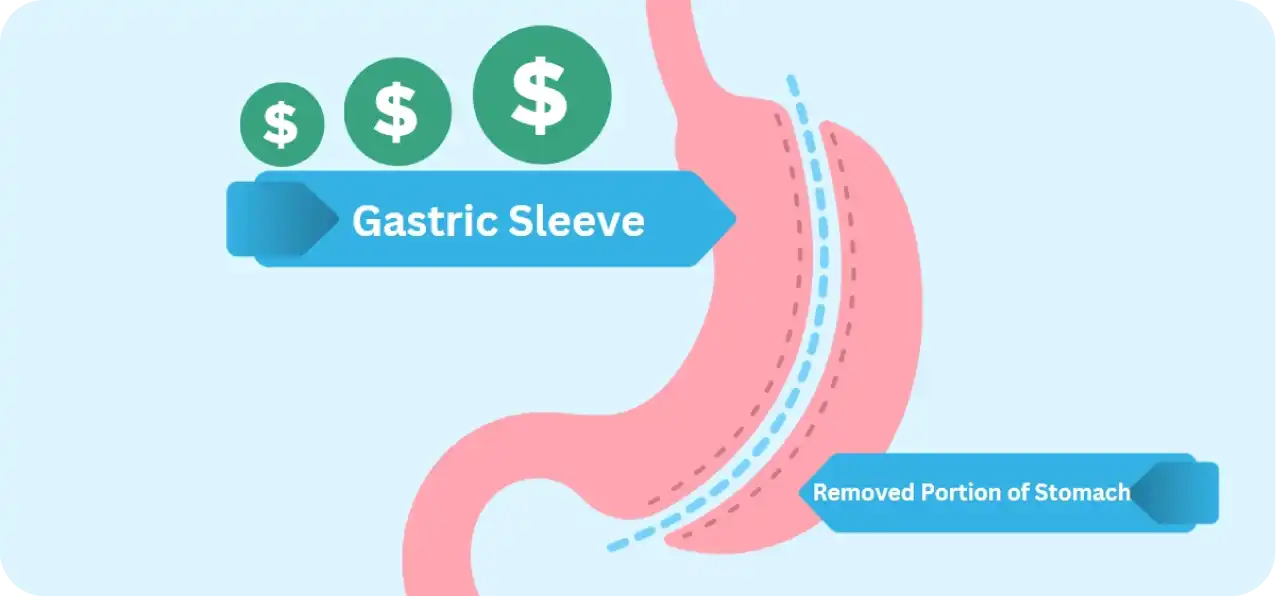
A gastric sleeve, or sleeve gastrectomy, removes around three quarters or more of the stomach, leaving a narrow tube. You feel full on smaller portions, and many patients notice less hunger because the part of the stomach that produces the hunger hormone ghrelin is removed. The intestine is not rerouted.
Gastric bypass
A gastric bypass creates a small stomach pouch and connects it to a lower part of the small intestine. It is often recommended for people with severe obesity, type 2 diabetes or troublesome acid reflux.
Revision surgery
If an earlier weight loss operation has not worked as hoped, revisional bariatric surgery may help. The team reports experience with two common conversions:
- Band to sleeve: removing an old gastric band and creating a gastric sleeve, often chosen for better long-term results and comfort.
- Sleeve to bypass: converting a sleeve to a bypass when there is weight regain, reflux or not enough weight loss.
Revision operations are more complex than first-time surgery and carry a somewhat higher risk, so experience matters here.
Weight loss and health benefits
Weight loss after bariatric surgery is gradual, and most of it happens within the first 12 to 18 months. Many sleeve patients lose around 60 to 70 percent of their excess weight, and bypass results are often similar or a little higher. Your own result depends on your starting weight, how closely you follow the eating plan and how active you are.
Many weight-related conditions start to improve within weeks or months, including type 2 diabetes, high blood pressure, sleep apnoea, breathlessness and joint pain. Patients often describe feeling more energetic and more confident as the first year goes on.
Risks to be aware of
Even with a comfort-focused approach, bariatric surgery is a major operation. Possible risks include bleeding, infection, blood clots, leakage from a staple line, acid reflux and, in the long term, vitamin and mineral deficiencies if supplements are not taken. Your surgeon will go through these with you before you consent, and following your aftercare plan helps reduce them.
How Booking Surgery supports you
Booking Surgery is authorised by the Ministry of Health for health tourism and works with partner hospitals in Istanbul. Your package covers your hospital stay, pre-operative tests, surgery, medication, VIP transfers between the airport, hotel and hospital, a translator, meals and a companion at no extra cost. A coordinator is available 24/7 on WhatsApp throughout your journey. Quotes depend on your procedure and medical history, so each one is personal.
Next steps
If you are considering a sleeve, bypass or revision operation, you can request a free assessment with one of our patient coordinators. Share your height, weight and medical history, and the surgical team will review your details and explain which options may suit you. There is no pressure to decide straight away.