In this article
Before and after photos can be inspiring, but they rarely tell you what you most want to know: how much weight you are likely to lose, how quickly, and what it depends on. If you are considering a gastric sleeve, a realistic picture of the journey will help you plan, stay motivated and judge your own progress fairly.
This guide explains how weight loss after a gastric sleeve is usually measured, what the first 18 months often look like, the health changes that matter as much as the number on the scales, and the factors that make the biggest difference to your result. Everyone's body responds differently, so treat the figures here as typical ranges rather than promises.
Why the sleeve leads to weight loss
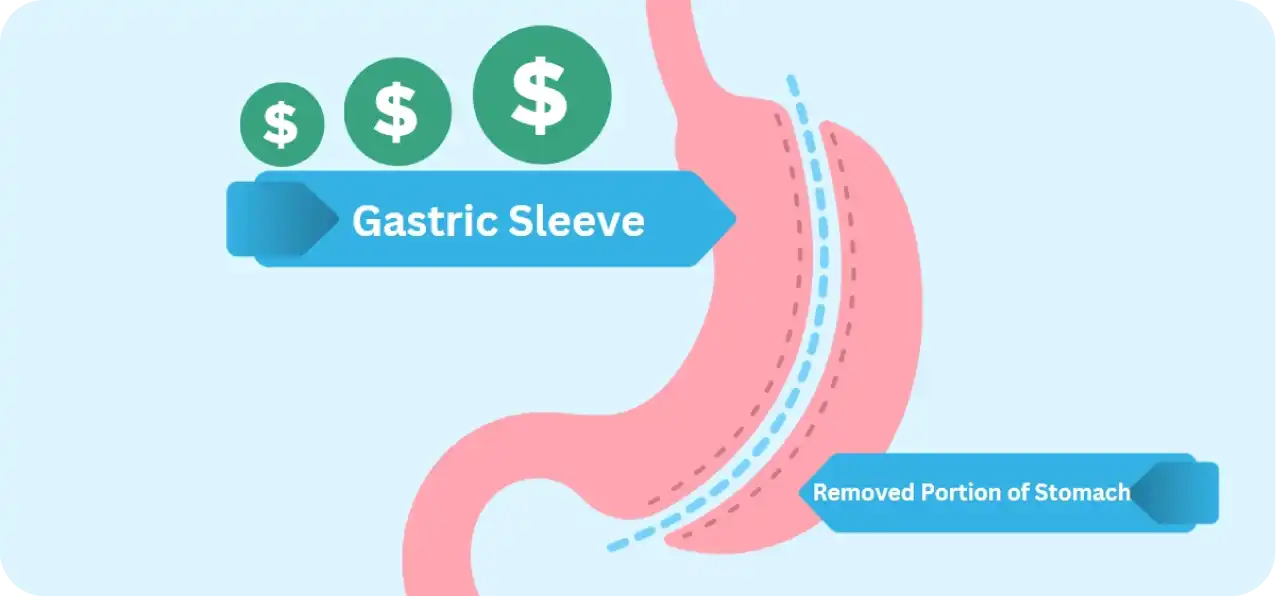
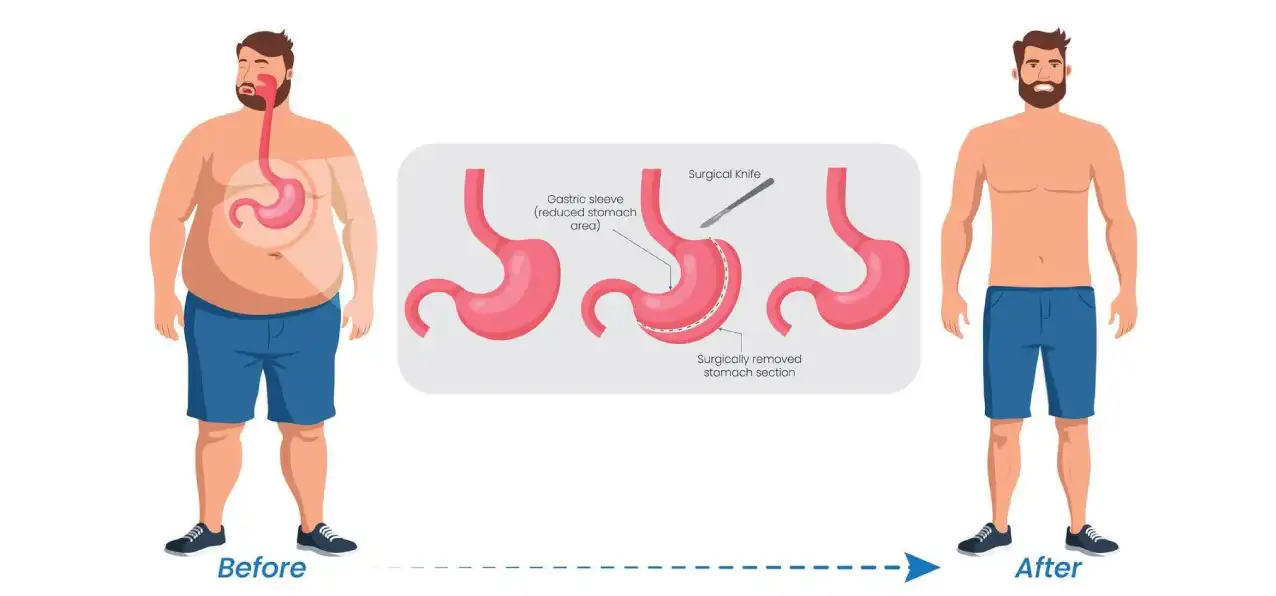
During a sleeve gastrectomy, about 80% of the stomach is removed by keyhole surgery under general anaesthesia. The remaining stomach is a narrow tube that fills up quickly, so you feel satisfied with much smaller portions. The part that is removed also produces most of the hunger hormone ghrelin, and many people notice that their appetite falls within days.
Together, smaller portions and less hunger make it far easier to eat fewer calories consistently. That is what drives the weight loss. The operation is a powerful tool, but the habits you build around it decide how far it takes you.
Excess weight vs total weight: understanding the numbers
Results after bariatric surgery are often described as a percentage of excess weight lost, not of total body weight. Your excess weight is the difference between your current weight and the weight at which your BMI would be in the healthy range, which is usually taken as a BMI of around 25.
Here is a simple example. If you weigh 120 kg and your weight at a BMI of 25 would be 70 kg, your excess weight is 50 kg. Losing 60–70% of that excess would mean losing roughly 30–35 kg, bringing you to somewhere around 85–90 kg. That is a large and meaningful change, even though it may not take you all the way to a so-called ideal weight.
Knowing this helps you set a realistic goal. Many people do not reach a BMI of 25 after a sleeve, and they do not need to in order to gain major health benefits.
A typical timeline after gastric sleeve surgery
Weight loss is fastest early on and gradually slows. The table below gives a general picture. Your own pattern may be different, and it is normal to lose more in some weeks than others.
| Stage | What usually happens |
|---|---|
| First 2 weeks | Liquid diet while the stomach heals. Weight often drops quickly, partly from fluid and reduced food intake. |
| Weeks 3 to 8 | Move through purées and soft foods. Steady loss continues as you learn to eat small, protein-rich meals. |
| Months 3 to 6 | Usually the period of fastest visible change. Many people lose a large share of their total expected weight loss in these first six months. |
| Months 6 to 12 | Loss continues but more slowly. Plateaus of a few weeks are common and normal. |
| Months 12 to 18 | Weight gradually settles. Many patients have lost around 60–70% of their excess weight by this point. |
| Beyond 18 months | The focus shifts to maintaining your new weight. Some regain is common over the years, which is why long-term habits matter. |
About plateaus
Almost everyone hits periods when the scales do not move for a week or more. This often happens as your body adjusts to a lower calorie intake, or when you are building muscle as you become more active. Measuring your waist, noticing how your clothes fit and keeping track of your energy levels can show progress the scales miss.
Beyond the scales: health improvements
For many people, the most important changes are not about appearance. Weight loss after a sleeve commonly improves conditions linked to obesity, including:
- Type 2 diabetes: blood sugar control often improves, sometimes within weeks, and some people are able to reduce or stop medication under their doctor's guidance.
- High blood pressure: readings often fall as weight comes down, and medication may need adjusting.
- Sleep apnoea: symptoms frequently improve, and some people no longer need a CPAP machine after reassessment by their sleep specialist.
- Joint pain: less load on the knees, hips and lower back can make walking and everyday activities easier.
- Energy and mood: many people describe sleeping better, moving more freely and feeling more confident.
Never stop or change prescribed medication on your own. Your GP or specialist should review it as your weight changes.
What affects how much weight you lose
Your starting point
People with a higher starting BMI often lose more kilograms overall, while people with a lower starting BMI may come closer to a healthy weight. Age, sex, genetics, hormones and some medicines can also affect the rate of loss.
Following the diet plan
Sticking to the staged diet after surgery protects the healing stomach and sets up good habits. Long term, putting protein first, eating slowly, stopping when you feel full and drinking between meals rather than with them all help. Grazing and high-calorie drinks such as fizzy drinks, milkshakes and alcohol are among the most common reasons for slower loss or regain.
Staying active
Walking from the first days after surgery, then gradually adding more activity and strength exercises, helps you keep muscle while you lose fat. This supports your metabolism and your long-term result.
Support and follow-up
Emotional eating does not disappear after surgery. Many people find it helps to have support from a dietitian, a counsellor or a patient group. Regular follow-up and blood tests, along with the vitamin supplements you are advised to take, help keep you healthy as you lose weight.
Risks and things to be aware of
A gastric sleeve is major surgery. Risks include bleeding, infection, blood clots and, less commonly, a leak from the staple line. Some people develop new or worse acid reflux. Over time, some weight regain is possible, particularly if old eating patterns return. If regain or reflux becomes a significant problem, revisional bariatric surgery, such as conversion to a bypass, may be an option.
Rapid weight loss can also leave loose skin, especially on the abdomen, arms and thighs. How much depends on your age, genetics and how much weight you lose. Once your weight has been stable for several months, some people choose body contouring procedures such as a tummy tuck.
Your next steps
If you would like a realistic idea of what a gastric sleeve could mean for you, a Booking Surgery patient coordinator can arrange a free assessment. Share your height, weight and medical history, and the partner surgical team in Istanbul will tell you whether a sleeve is suitable and what kind of result is reasonable to aim for. If you go ahead, your all-inclusive package covers your hospital stay, pre-operative tests, surgery, medication, transfers, a translator and meals, with a companion at no extra cost and a coordinator available on WhatsApp 24 hours a day.